Design
5 min read
Design is a decision layer, not a finish
Most businesses treat design as the last ten percent of a project, the part that makes the work presentable. In practice, design is where the expensive decisions get made: what the offer actually is, what someone needs to understand first, and what can be safely left out. Get those right and everything downstream becomes cheaper to build, explain and maintain.
When design is skipped, the cost does not disappear. It moves. It shows up as longer sales conversations, support requests that repeat themselves, internal debates about wording, and rebuilds that were entirely avoidable. Every one of those is more expensive than the original thinking would have been.
What good looks like
Good design is quietly measurable. People find what they came for, they understand the offer without being sold to, and they act without hesitating. If a page cannot survive being read quickly, the problem is rarely the styling; it is the decision underneath it.
We see the same pattern in almost every project that arrives late and over budget. Nobody skipped the build. They skipped the half day of thinking that would have told them what to build. By the time that becomes obvious, the cost has already been paid three or four times over in rework.
Where the money actually goes
It helps to be specific about the hidden costs, because they rarely appear on an invoice with the word design on it:
Sales calls that start by explaining what the business does, because the website never managed it.
Support tickets that repeat the same three questions, all of which are answered badly on the page before checkout.
Internal debate about wording, months after launch, because nobody agreed what the offer was called.
Features built for a customer nobody had spoken to, then quietly hidden a year later.
Each of those is a design decision that was never made. Left unmade, the decision gets taken later by whoever is closest to the deadline, usually a developer at half past five on a Friday.
Design is not what a project looks like at the end. It is the set of decisions that made the end possible.
The cheap version of design is a conversation
You do not need a six-week discovery phase to get most of the value. You need one honest session where somebody writes down what the business sells, who it is for, what makes it different and what a good outcome looks like in twelve months. If four people in the room answer those questions differently, you have found your problem, and you have found it before anyone opened a code editor.
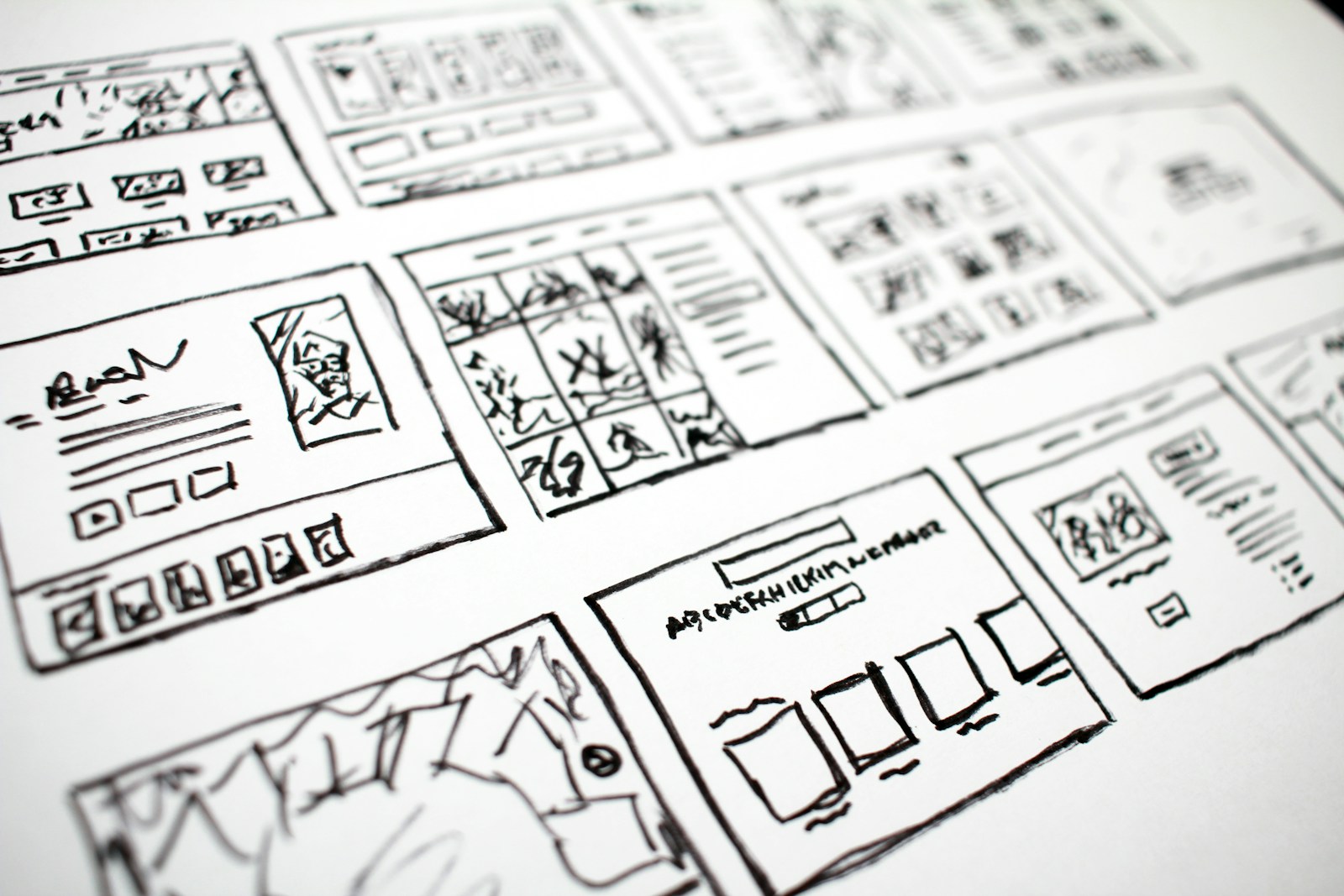
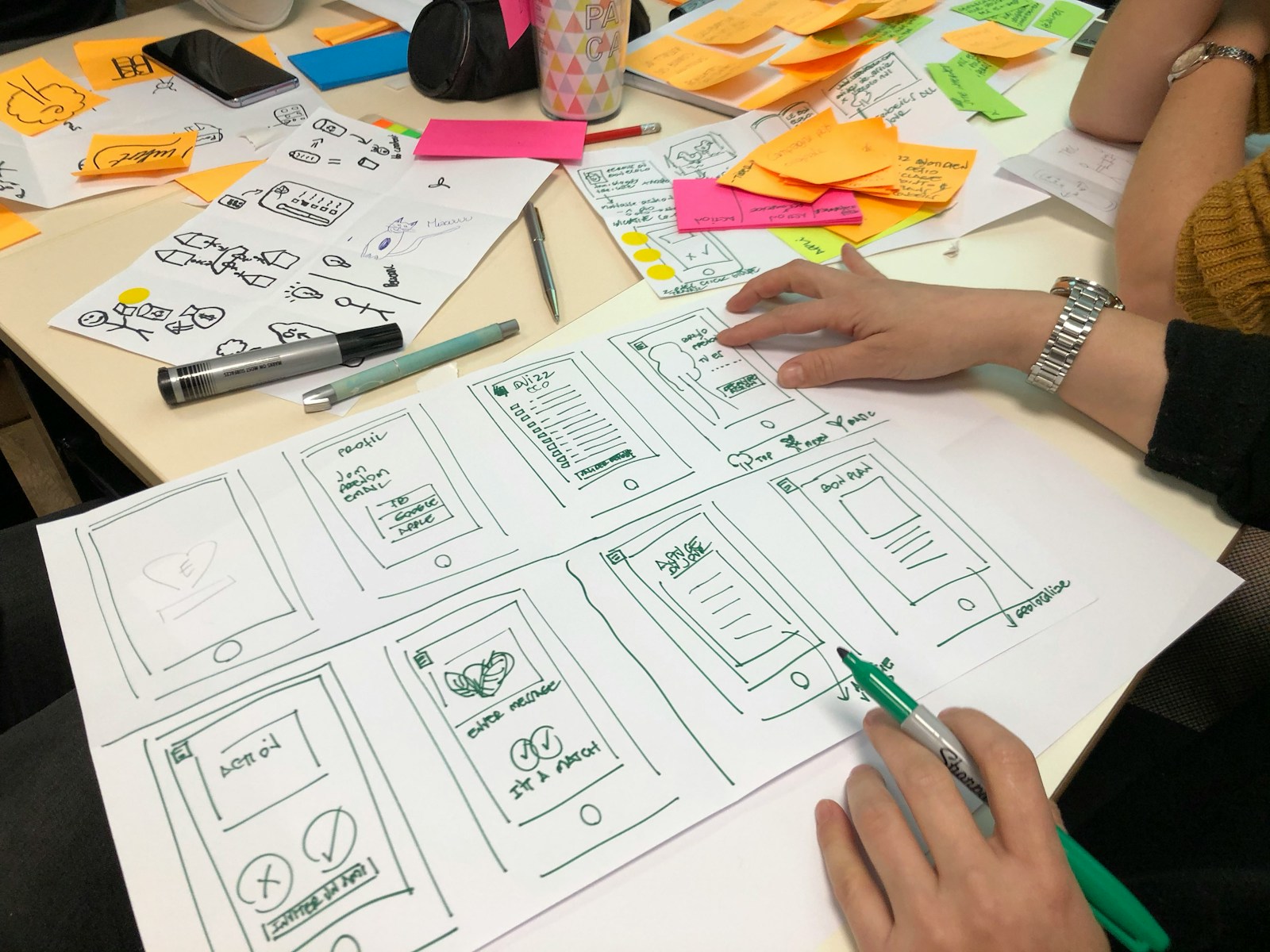
From there, design gets cheaper the earlier it happens. Moving a heading in a sketch takes a minute. Moving it after the content is written, the build is done and the client has approved the copy takes a week and a small amount of goodwill.
A rough order of operations
Agree the offer in plain language, in one sentence, without adjectives.
Decide what someone must understand first, second and third.
Write the words before drawing the layout, so the layout has something real to hold.
Only then decide how it should look, and let the look come from the content.
How to tell whether it worked
The test is behavioural, not aesthetic. Do fewer people email to ask what you do? Do proposals get accepted with fewer clarifying calls? Can a new starter describe the offer correctly in their first week? Those are all design outcomes, even though none of them mention a typeface.
We work with businesses across Chester and the North West where the budget is real and the margin for waste is small. In that context design is not a luxury line item. It is the cheapest way to stop paying for the same decision twice.
If you are about to commission a website, a product or a rebrand, spend the first fraction of the budget on deciding what it is for. Everything after that gets easier, faster and less expensive, which is the whole argument.